
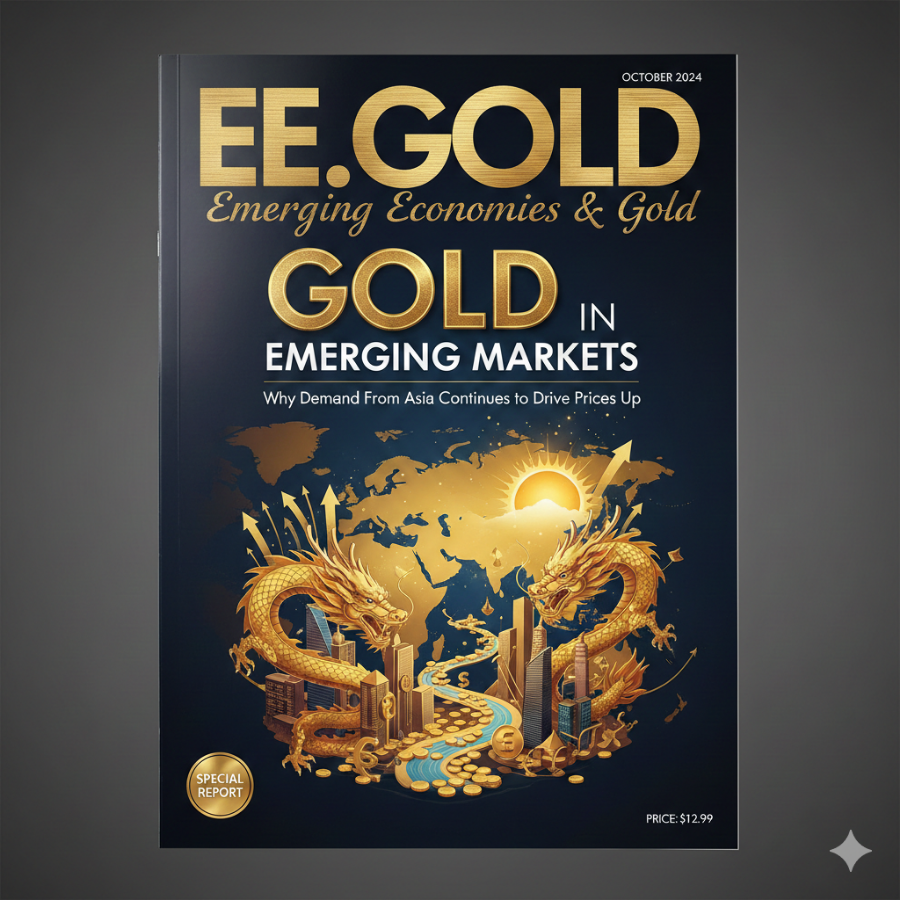
Gold has always been more than a commodity. Across cultures and centuries, it has symbolized wealth, security, and prestige. Today, the forces shaping the global gold market extend far beyond traditional investors in Europe and North America. Emerging markets, particularly in Asia, are increasingly driving global demand and influencing gold prices in profound ways. Understanding this trend is essential for investors, traders, and anyone interested in the future of the gold market.
Asia’s Historical Affinity for Gold
Cultural and historical factors play a significant role in gold demand across Asia. In countries such as India and China, gold has long been associated with prosperity, good fortune, and social status. Weddings, festivals, and religious ceremonies often involve the purchase of gold, making it an essential part of family and community life.
In India, for example, gold jewelry is considered a form of savings and an intergenerational investment. Similarly, in China, gold is a traditional gift during Lunar New Year celebrations and other major holidays. These cultural practices create a steady, predictable demand that influences global gold markets year after year.
Economic Growth and Rising Incomes
Emerging markets in Asia have experienced rapid economic growth over the past few decades. Rising incomes, expanding middle classes, and increased financial literacy have fueled greater gold consumption. People are not only buying gold for cultural reasons but also as a financial asset and hedge against inflation.
In China, urbanization and growing wealth have led to higher demand for gold investment products, including bars, coins, and exchange-traded funds. Similarly, India’s economic expansion has allowed more households to allocate funds toward gold as both a store of value and a status symbol.
Gold as a Hedge Against Economic Uncertainty
Gold’s appeal in emerging markets extends beyond cultural significance. In regions where currencies can be volatile and financial systems are evolving, gold offers a reliable hedge against inflation, currency devaluation, and economic instability.
Investors in Asia increasingly view gold as a safe haven during periods of uncertainty. Political tensions, global market fluctuations, and domestic economic challenges often lead to spikes in gold purchases. This behavior directly contributes to upward pressure on global gold prices.
Government Policies and Strategic Reserves
Governments in Asia also play a role in driving demand. Central banks in countries such as China, India, and Russia have been steadily increasing their gold reserves as part of broader monetary strategies. Accumulating gold helps stabilize national reserves, diversify assets, and reduce reliance on foreign currencies.
Strategic gold purchases by governments signal confidence in gold as a long-term store of value. These moves not only impact domestic markets but also influence international prices, reinforcing gold’s role as a global financial asset.
Jewelry, Investment, and Technological Demand
Demand for gold in Asia is multifaceted. Jewelry continues to dominate consumption, particularly in India and the Middle East, where cultural practices emphasize gold as a luxury asset. At the same time, investment demand has grown significantly through gold ETFs, coins, and bars.
In addition, industrial and technological applications in electronics and healthcare are contributing to steady demand. Asia’s position as a hub for manufacturing electronics ensures that a portion of gold consumption is tied to industrial production, adding another layer of market influence.
Impact on Global Gold Prices
The concentration of demand in emerging Asian markets has direct implications for global gold prices. When consumption rises in these regions, the effect is felt worldwide. Price spikes often coincide with major festivals, wedding seasons, or periods of economic uncertainty in Asia.
Moreover, speculative investment driven by rising demand can amplify price movements. Traders and investors closely monitor Asian buying patterns, knowing that even small shifts in demand can create ripple effects in the global market.
The Role of Millennials and Changing Consumption Patterns
Younger generations in Asia are also shaping gold demand. Millennials increasingly combine traditional preferences for jewelry with modern investment strategies, buying gold digitally through online platforms or in smaller, more affordable increments.
This shift expands the gold market beyond traditional buyers and creates a more liquid and dynamic demand environment. The combination of cultural adherence, financial strategy, and modern technology ensures that gold consumption will remain robust in Asia for decades.
Future Outlook
The outlook for gold in emerging markets, particularly in Asia, remains strong. Rising incomes, urbanization, and economic uncertainties continue to fuel demand. Cultural factors, government policies, and technological applications reinforce gold’s role as both an investment and a symbol of status.
Global investors and policymakers must pay close attention to trends in Asia, as the region’s buying patterns are likely to continue driving gold prices upward. As emerging markets expand and modernize, gold will remain at the intersection of culture, finance, and global economics.
NOTE
This Content is the copyrighted content of EE.GOLD. All rights are reserved. You are welcome to share or use our content only by including direct links to our website. Any other form of reproduction, distribution, or use without proper attribution is strictly prohibited.
This Content is intended solely for educational purposes. The information provided does not constitute financial or investment advice.
Please note that Digital Storage Receipt, Secure Storage Solutions, and Physical Gold Sales are the only services offered by EE.GOLD.
We strictly adhere to government regulations and are firmly against all illegal financial or investment activities globally.
For further inquiries, feel free to contact us through our official channels.








.png)