

Understanding the IRS Classification of Gold
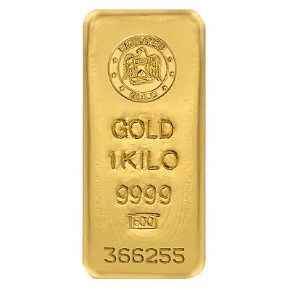
The Internal Revenue Service treats physical gold including bars coins and bullion as collectibles rather than standard investment assets. This special category directly impacts how profits from sales are taxed. Unlike stocks or bonds which often enjoy lower long term capital gains rates physical gold faces a maximum rate of twenty eight percent on long term gains. Short term gains apply when gold is held for one year or less and these are taxed at ordinary income rates which can reach up to thirty seven percent depending on total income.
Short Term Versus Long Term Holding Periods
The length of time gold is held determines the tax treatment. Hold for one year or less and any profit counts as short term capital gain taxed at regular income brackets. This often results in a higher effective rate especially for those in upper brackets. Hold longer than one year and the gain qualifies as long term but still capped at twenty eight percent due to the collectibles rule. Accurate records of purchase dates and costs prove essential for correct classification.
How Gains and Losses Are Calculated
Capital gain equals the sale price minus the adjusted basis. The basis typically includes the original purchase price plus associated costs like storage fees or insurance. Selling expenses such as dealer commissions or shipping can reduce the taxable amount. If the result shows a loss that loss can offset other capital gains and up to three thousand dollars of ordinary income annually with excess carried forward to future years.
Reporting Requirements on Your Tax Return
Report all sales of gold on Form 8949 which details each transaction including acquisition date sale date proceeds and basis. Separate short term and long term transactions accordingly. Totals from Form 8949 flow to Schedule D of Form 1040 where overall capital gains and losses are summarized. Even small sales must be reported regardless of whether a dealer issues a Form 1099 B. Large cash transactions over ten thousand dollars trigger additional reporting via Form 8300 by the seller or dealer.
The Twenty Eight Percent Collectibles Rate in Practice
For long term gains the twenty eight percent maximum applies even if standard long term rates would be lower based on income. High income taxpayers may also face the three point eight percent Net Investment Income Tax pushing the effective rate higher. This collectibles treatment has remained consistent making gold less tax efficient for short hold periods compared to many other assets.
Smart Strategies to Reduce Tax Exposure
Hold gold for more than one year whenever possible to avoid ordinary income rates on short term gains. Time sales strategically to stay within lower overall income brackets or to utilize the annual capital loss offset. Harvest losses from other investments to counterbalance gold profits reducing net taxable gain. Consider precious metals held inside a self directed IRA where gains grow tax deferred or tax free depending on the account type though strict rules apply to eligible gold and distributions remain taxable.
Using Offsets and Carryovers Effectively
Capital losses from gold or other assets provide powerful tools. Offset gold gains dollar for dollar with losses from stocks bonds or additional precious metals. When total losses exceed gains deduct up to three thousand dollars against ordinary income each year and carry forward the remainder indefinitely. This approach can significantly lower or eliminate current year liability on profitable gold sales.
Special Considerations for Different Gold Forms
Bullion bars and standard sovereign coins fall squarely under collectibles rules. Certain numismatic coins with substantial collector premiums may still qualify as collectibles but their added value often stems from rarity rather than metal content alone. Gold held through exchange traded funds or mining stocks typically avoids the twenty eight percent cap and follows standard capital gains treatment though physical delivery can trigger collectibles rules.
State Taxes and Additional Layers
Federal rules form the foundation but many states impose their own capital gains taxes or treat precious metals differently. Some states exempt certain bullion sales from sales tax on purchase which indirectly affects net returns. Check local regulations as combined federal and state burdens can vary widely.
Record Keeping That Protects You
Maintain detailed documentation including purchase receipts invoices sale confirmations and expense records. Digital copies plus physical backups ensure accuracy during audits. Track holding periods meticulously since even a one day shortfall converts long term treatment to short term. Strong records simplify filing minimize errors and support any challenges to IRS assessments.
Planning Ahead for Smarter Outcomes
Selling gold triggers unavoidable tax events in most cases but thoughtful planning reduces the bite. Focus on long term holding loss harvesting tax advantaged accounts and precise reporting to keep more of your profits. By understanding these rules and applying proven minimization tactics gold investors can navigate tax obligations more confidently while preserving wealth built through precious metals. Consult a qualified tax professional for personalized guidance tailored to individual circumstances.
NOTE
This Content is the copyrighted content of EE.GOLD. All rights are reserved. You are welcome to share or use our content only by including direct links to our website. Any other form of reproduction, distribution, or use without proper attribution is strictly prohibited.
This Content is intended solely for educational purposes. The information provided does not constitute financial or investment advice.
Please note that Digital Storage Receipt, Secure Storage Solutions, and Physical Gold Sales are the only services offered by EE.GOLD.
We strictly adhere to government regulations and are firmly against all illegal financial or investment activities globally.
For further inquiries, feel free to contact us through our official channels.








.png)