
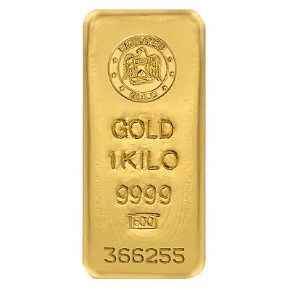


Gold has long been valued as a store of wealth, a hedge against inflation, and a diversifier in investment portfolios. In recent years, its appeal has grown amid economic uncertainty, rising inflation, and market volatility. For retirement planning, incorporating gold can provide stability, as it often performs well when traditional assets like stocks and bonds falter. Many retirees and pre-retirees seek to allocate a portion of their savings to gold, typically 5-10%, to protect purchasing power and reduce overall portfolio risk over the long term.
Benefits of Including Gold in Retirement Savings
Gold offers several advantages for retirement portfolios. It acts as an effective hedge against inflation, preserving value when currency depreciates. During periods of economic downturns or geopolitical tension, gold tends to hold or increase in value, providing a safe-haven effect. Its low correlation with equities and bonds enhances diversification, potentially lowering volatility and improving risk-adjusted returns.
Historically, gold has delivered strong long-term performance, often outperforming during high-inflation environments or when interest rates are low. For retirement accounts focused on wealth preservation rather than aggressive growth, these qualities make gold a strategic addition. However, it comes with considerations like storage costs for physical holdings and price fluctuations in the short term.
Gold in Retirement Accounts: Variations by Region
Regulations governing gold in retirement plans differ significantly across countries, reflecting local tax laws, pension structures, and investment priorities. While some nations allow direct holdings of physical gold in tax-advantaged accounts, others restrict it to indirect exposure through funds or prohibit it entirely.
North America
In the United States, individuals can hold physical gold in self-directed Individual Retirement Accounts (IRAs), known as Gold IRAs. These accounts permit investment in approved bullion coins and bars meeting strict purity standards, stored in IRS-approved depositories. Contribution limits align with standard IRAs, and the setup requires a specialized custodian. This option appeals to those seeking tangible assets within tax-deferred or tax-free growth structures.
Canada offers similar flexibility through Registered Retirement Savings Plans (RRSPs) and Tax-Free Savings Accounts (TFSAs). Eligible high-purity gold coins and bars can be held, with storage managed by approved custodians. This allows Canadians to diversify retirement savings with physical precious metals while benefiting from tax advantages.
Europe
European approaches vary widely. In the United Kingdom, Self-Invested Personal Pensions (SIPPs) and Small Self-Administered Schemes (SSASs) enable holdings of physical gold bullion, provided it meets purity requirements and is securely vaulted. Pension funds themselves have shown increasing interest in gold for diversification, with some allocating modest portions amid low bond yields.
Other European countries, such as Switzerland and the Netherlands, see pension funds incorporating gold as part of broader alternative strategies. Allocations remain small but are growing, driven by the need for inflation protection and portfolio resilience. Continental European regulations often favor indirect exposure through exchange-traded funds rather than physical holdings in individual accounts.
Australia and Asia-Pacific
Australia permits physical gold in Self-Managed Superannuation Funds (SMSFs), popular for their control over investments. Gold bullion can be held as a diversifying asset, with many trustees viewing it as a hedge against market risks. Larger superannuation funds may gain exposure indirectly.
In Asia, direct physical gold holdings in retirement accounts are less common due to stricter regulations. Singapore's Central Provident Fund focuses on traditional assets, though private pensions may allow indirect gold investments. India has recently eased rules, permitting pension funds to invest in gold exchange-traded funds for diversification. China and other markets emphasize state-managed pensions with limited alternative asset options, though cultural affinity for gold drives personal savings outside formal retirement plans.
Global Trends
Worldwide, pension funds are gradually increasing gold allocations, often 1-5%, in response to persistent inflation risks and uncertain bond returns. Institutional investors value gold's role in reducing portfolio drawdowns and enhancing long-term stability. As populations age and retirement systems evolve, gold's inclusion reflects a shift toward resilient, diversified strategies.
Gold plays a valuable, though varying, role in retirement accounts globally. It offers protection and diversification that complement traditional investments, particularly in volatile times. While access to physical gold in tax-advantaged accounts is straightforward in some countries, others limit it to indirect forms. Investors considering gold for retirement should evaluate their risk tolerance, local regulations, and overall portfolio needs to determine an appropriate allocation. As economic landscapes change, gold's timeless qualities continue to support secure retirement planning worldwide.
NOTE
This Content is the copyrighted content of EE.GOLD. All rights are reserved. You are welcome to share or use our content only by including direct links to our website. Any other form of reproduction, distribution, or use without proper attribution is strictly prohibited.
This Content is intended solely for educational purposes. The information provided does not constitute financial or investment advice.
Please note that Digital Storage Receipt, Secure Storage Solutions, and Physical Gold Sales are the only services offered by EE.GOLD.
We strictly adhere to government regulations and are firmly against all illegal financial or investment activities globally.
For further inquiries, feel free to contact us through our official channels.








.png)