
Understanding Gold's True Role Beyond the Headlines
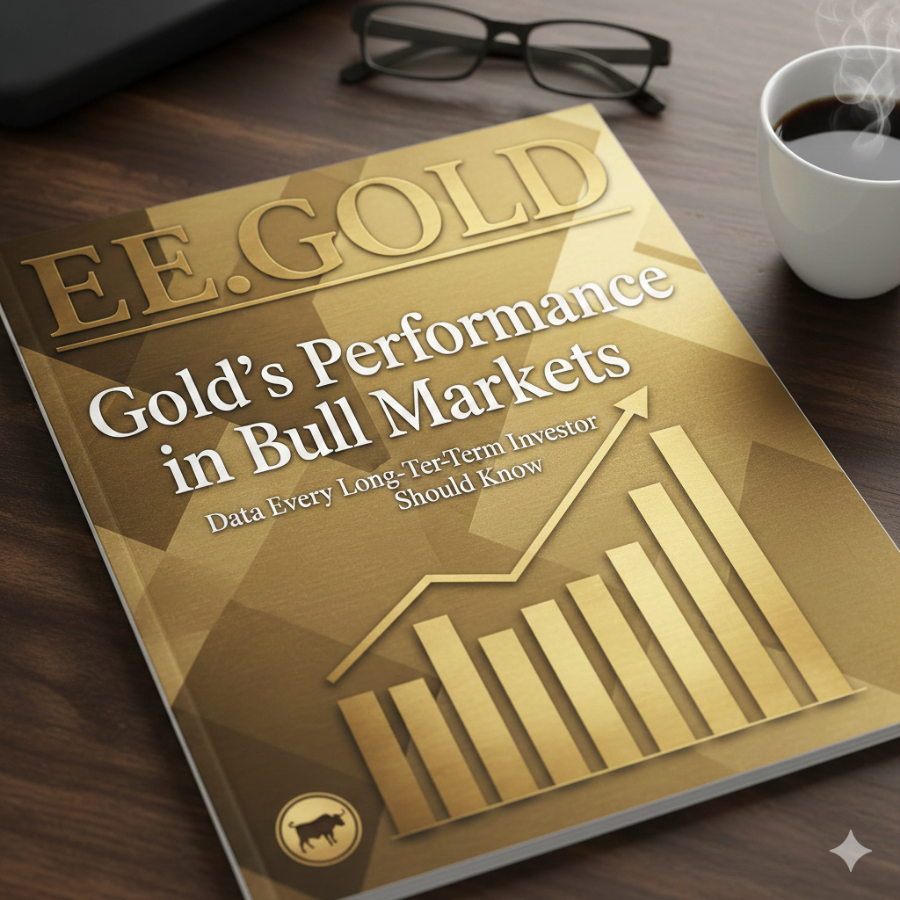
Many investors view gold purely as a crisis asset that shines only when stocks tumble. Yet historical patterns reveal a more nuanced story. Gold delivers surprising behavior during prolonged periods of equity strength. Long term investors gain an edge by examining how the yellow metal has actually performed when bull markets in stocks dominate the landscape.
The Classic Myth: Gold Lags in Strong Equity Environments
Conventional wisdom suggests gold underperforms during roaring stock bull markets. When risk appetite surges and equities climb steadily, demand for safe haven assets often fades. Investors chase growth instead of preservation. Data supports this view in certain extended equity uptrends. During powerful stock rallies fueled by economic expansion and low inflation, gold frequently posts modest or even negative returns relative to benchmarks like the S&P 500. Opportunity costs rise as interest bearing assets become more attractive. Gold carries no yield, so it struggles to compete when confidence in growth remains high.
Surprising Outperformance in Mixed or Stressed Bull Phases
Not all bull markets behave the same. When equity bull runs coincide with inflation pressures, monetary easing, or geopolitical strains, gold often defies expectations. Consider periods where stocks advanced overall but faced significant volatility or corrections. Gold frequently emerged as a strong counterweight. In the lost decade spanning 2000 to 2009, equities delivered negative returns amid two major bear markets nested within broader cycles. Gold gained over 200 percent during that stretch. Even as stocks recovered in subsequent years, gold's earlier strength highlighted its ability to protect capital when traditional growth assets faltered.
Decade by Decade Breakdown Reveals Key Patterns
From 1971 onward, after the end of the gold standard, distinct eras show gold's varied responses. The 1970s featured explosive gains as inflation raged and economic uncertainty prevailed. Gold multiplied dramatically from low levels to peak around 1980. That period included strong commodity cycles overlapping with equity weakness at times. Moving to the 2000s, gold posted impressive annualized returns, often outpacing stocks during stretches of market stress despite overall equity progress in later years. Annualized figures from 2000 through later periods show gold delivering competitive or superior compound growth in environments marked by crises and policy shifts. More recent cycles demonstrate gold advancing alongside equities in unusual correlation, driven by factors like central bank demand and persistent global uncertainties.
Gold's Correlation Dynamics Shift with Market Conditions
Correlation between gold and stocks tends to stay low or turn negative during periods of equity stress. This decoupling provides genuine diversification. In calm bull markets with steady growth and contained inflation, correlation sometimes edges positive but remains weak. Gold moves on its own trajectory influenced by monetary policy, currency trends, and reserve demand. When stock bond correlations rise unusually, as seen in recent years, gold's diversification value increases further. It serves as an alternative hedge against duration risk and currency concerns that traditional fixed income may not fully address.
Why Percentage Gains Matter More Than Headlines
Raw percentage advances tell a compelling story for patient investors. Major historical bull phases in gold delivered multiples ranging from several hundred percent to over 2000 percent in the most extreme cases. Current cycles, while impressive, often remain in earlier stages compared to past secular uptrends. Gold's path includes sharp corrections even within broader advances, reminding investors of its volatility. Those corrections frequently stem from rising opportunity costs or temporary risk on sentiment. Long term holders who understand these rhythms position themselves to capture upside when structural drivers reassert themselves.
Portfolio Lessons for the Long Haul
Incorporating gold requires viewing it as a strategic allocator rather than a short term trade. Historical data shows it excels as an equity counterweight during volatile or stressed bull phases in stocks. It preserves purchasing power when fiat concerns mount. Even in periods where stocks lead, modest gold exposure reduces overall portfolio drawdowns without sacrificing too much upside. Long term investors benefit from recognizing that gold's performance in bull markets depends heavily on the underlying drivers of those advances. When growth remains clean and inflation tame, gold may trail. When uncertainty creeps in or policy becomes expansive, gold often reclaims leadership.
Mastering these patterns equips investors to navigate future cycles with greater confidence. Gold remains far more than a mere hedge. It functions as a cycle tested component that rewards those who study its historical behavior across varying market regimes.
NOTE
This Content is the copyrighted content of EE.GOLD. All rights are reserved. You are welcome to share or use our content only by including direct links to our website. Any other form of reproduction, distribution, or use without proper attribution is strictly prohibited.
This Content is intended solely for educational purposes. The information provided does not constitute financial or investment advice.
Please note that Digital Storage Receipt, Secure Storage Solutions, and Physical Gold Sales are the only services offered by EE.GOLD.
We strictly adhere to government regulations and are firmly against all illegal financial or investment activities globally.
For further inquiries, feel free to contact us through our official channels.








.png)