
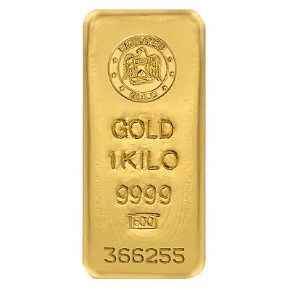

Gold has reclaimed its prominence in global finance, with central banks accumulating the metal at elevated levels amid uncertainty. As of early 2026, spot gold trades around $4,450 per ounce following a stellar 2025 rally that saw prices surge over 60%. This resurgence mirrors actions by official institutions, where gold now forms a critical component of reserves, offering insights for personal investment strategies.
Why Central Banks Favor Gold
Central banks prioritize safety, liquidity, and returns in reserve management. Gold excels as a non-yielding asset that preserves purchasing power during crises, hedges inflation, and diversifies away from currency risks.
Unlike fiat holdings, gold carries no counterparty risk and performs independently of monetary policy. Emerging market banks, in particular, view it as protection against dollar dominance and geopolitical shocks, driving structural demand higher.
The Surge in Official Purchases
2025 marked another robust year for central bank buying, with net additions estimated between 750 and 900 tonnes. This follows three consecutive years exceeding 1,000 tonnes annually, far above pre-2022 averages of 400 to 500 tonnes.
Leading buyers included Poland, which added over 90 tonnes to reach around 540 tonnes and target 30% of reserves in gold. Kazakhstan, Turkey, and others contributed steadily, broadening participation across emerging economies.
Global reserves now exceed 36,000 tonnes, valued at trillions, underscoring gold's elevated strategic importance.
Drivers Behind the Trend
Geopolitical tensions, trade disruptions, and de-dollarization efforts fuel this shift. Many banks seek to reduce reliance on U.S. assets amid fiscal concerns and sanctions risks.
Inflation persistence and currency volatility reinforce gold's role as a store of value. Surveys reveal overwhelming expectations for continued reserve growth, with strategic rather than tactical motives dominating.
Higher prices have moderated volumes slightly, yet demand remains resilient and above historical norms.
Historical Context and Evolution
Gold's reserve share declined post-Bretton Woods as Treasuries dominated. Recent years reversed this, with gold surpassing U.S. Treasuries in some aggregate portfolios for the first time in decades.
This pivot reflects changing dynamics: emerging markets hold lower gold allocations than developed ones, leaving room for catch-up. Repatriation trends also highlight preferences for domestic storage.
Implications for Individual Investors
Central banks manage vast, long-term portfolios focused on preservation. Individuals can draw parallels by allocating to gold for similar benefits.
It counters equity volatility, protects against currency debasement, and thrives in low-real-yield environments. While banks buy physical bars, retail options include ETFs, coins, or mining stocks for easier access.
Portfolio Diversification Parallels
Institutions limit gold to 5% to 30% of reserves for balance. Personal portfolios benefit from 5% to 15% allocations, reducing drawdowns without sacrificing growth.
Gold's low correlation to stocks and bonds enhances stability, much like its role in official reserves during turmoil.
Risks and Considerations
Central banks accept illiquidity for security; individuals face storage costs or premium erosion in physical forms.
Price volatility persists, and opportunity costs rise in strong equity markets. Tax treatments vary, often favoring long-term holds.
Applying the Lessons Today
In 2026's uncertain landscape, marked by policy shifts and lingering tensions, gold's reserve appeal endures. Individuals mirroring prudent official strategies position for resilience.
Start with modest exposure via liquid vehicles, rebalance periodically, and view gold as insurance rather than speculation. Patience aligns with central bank horizons, rewarding those who prioritize enduring value over short-term gains.
Gold's institutional endorsement validates its place in diversified holdings, bridging official and personal wealth protection.
NOTE
This Content is the copyrighted content of EE.GOLD. All rights are reserved. You are welcome to share or use our content only by including direct links to our website. Any other form of reproduction, distribution, or use without proper attribution is strictly prohibited.
This Content is intended solely for educational purposes. The information provided does not constitute financial or investment advice.
Please note that Digital Storage Receipt, Secure Storage Solutions, and Physical Gold Sales are the only services offered by EE.GOLD.
We strictly adhere to government regulations and are firmly against all illegal financial or investment activities globally.
For further inquiries, feel free to contact us through our official channels.








.png)