
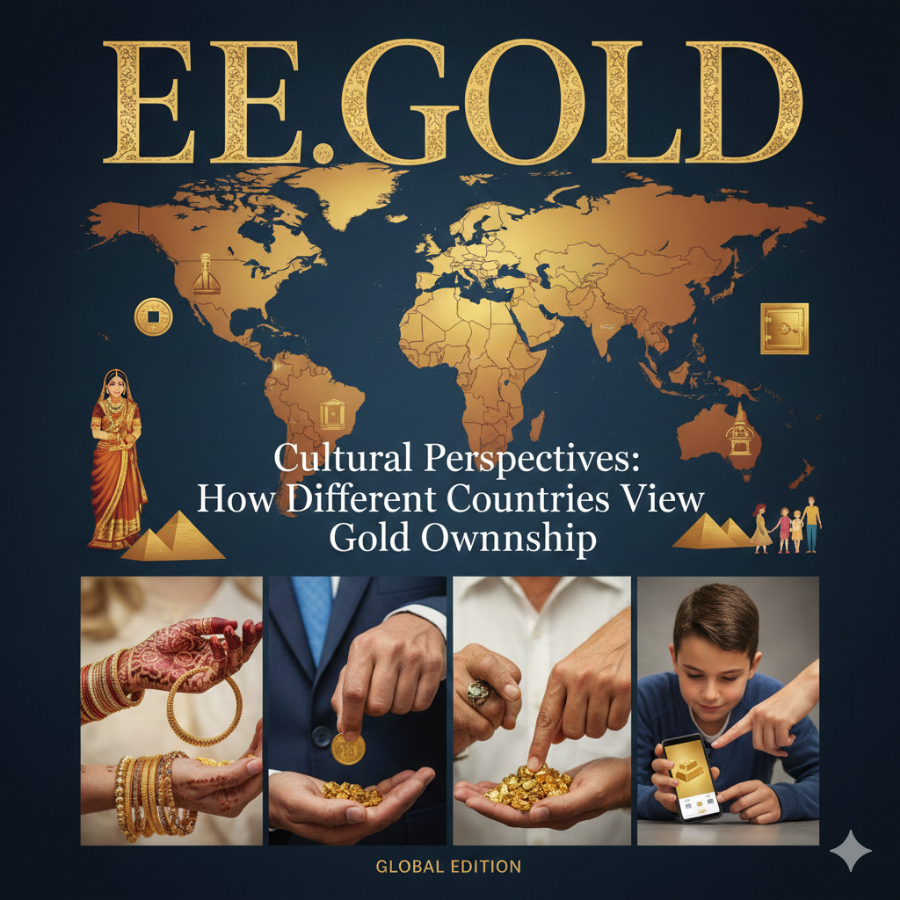
Gold has captivated humanity for thousands of years, serving not only as a store of value but also as a powerful symbol woven into the fabric of societies worldwide. While its financial role as an investment or hedge remains universal, the cultural significance of owning gold varies dramatically from one country to another. These differences stem from history, religion, economic conditions, social customs, and even national identity. Exploring these perspectives reveals why gold holds a unique place in the hearts and homes of people across the globe.
India: Gold as Tradition and Prosperity
In India, gold ownership is deeply embedded in culture and daily life. It represents wealth, purity, and good fortune. Families buy gold jewelry for weddings, festivals like Diwali, and childbirth celebrations. Brides traditionally receive substantial gold as part of their dowry or wedding gifts, symbolizing security and status.
Gold is viewed as a sacred metal associated with goddesses like Lakshmi, the deity of wealth. Many households store gold as a form of family savings passed down through generations. Even lower-income families prioritize purchasing small amounts regularly. This cultural affinity drives India to be one of the largest consumers of gold in the world, with demand often outpacing investment motives.
China: Gold as Stability and National Pride
Chinese culture reveres gold for its associations with prosperity, luck, and imperial heritage. The color gold symbolizes power and wealth, evident in historical artifacts and modern celebrations like Chinese New Year, when gold-themed gifts are common.
In recent decades, gold ownership has surged as a response to economic growth and a desire for financial security. Many view it as a safe asset outside the banking system, especially after experiencing stock market volatility. The government encourages gold purchases through official channels, and gold bars engraved with auspicious symbols are popular gifts.
Gold also carries national significance. Central bank reserves have grown substantially, reflecting a strategic shift toward diversifying away from foreign currencies.
Middle East: Gold as Protection and Display
In many Middle Eastern countries, particularly in the Gulf region, gold holds strong cultural and practical importance. Souks filled with intricate jewelry showcase gold as both adornment and investment. Women often receive gold as wedding gifts, which remain their personal property, offering financial independence.
Gold serves as a hedge against oil price fluctuations and regional instability. Families prefer tangible assets over paper investments. High-purity 24-karat gold is favored, and wearing substantial pieces publicly signals success and family wealth.
Generosity plays a role too. Gifting gold during celebrations reinforces social bonds and demonstrates affluence.
Western Countries: Gold Primarily as Investment
In much of Europe and North America, cultural attitudes toward gold ownership lean toward practicality rather than tradition. Gold is seen mainly as a financial asset, a diversifier in investment portfolios, or a hedge against inflation and crises.
Personal jewelry exists, but it often prioritizes design over metal weight. Wedding bands may contain gold, yet the emotional symbolism outweighs the material value. Few families pass down large quantities of gold as heirlooms compared to Asian cultures.
Ownership tends to be institutional or through financial products like ETFs, with physical bullion appealing to a niche group focused on wealth preservation. Cultural narratives sometimes portray heavy gold wearing as ostentatious rather than aspirational.
Latin America: Gold as Security and Heritage
In countries like Mexico, Peru, and Colombia, with rich histories of pre-Columbian gold craftsmanship, the metal carries both cultural pride and practical necessity. Artisans continue ancient traditions, creating elaborate pieces that blend indigenous designs with modern styles.
Economic instability and currency devaluation in parts of the region make gold a trusted store of value. Families often keep gold jewelry or coins as emergency reserves. During times of hyperinflation or political uncertainty, gold provides a reliable way to protect savings.
Religious festivals and family milestones frequently involve gold gifts, reinforcing its role in social customs.
Africa: Gold as Community and Legacy
Across various African nations, gold ownership reflects diverse traditions. In West Africa, particularly Ghana and Mali, with historic empires built on gold trade, the metal symbolizes royalty and spiritual power. Elaborate gold jewelry denotes status and is used in ceremonies.
In South Africa, the world's deepest mining history ties gold to national identity, though ownership is more industrial than personal. Elsewhere, gold serves as bridewealth or inheritance, ensuring family continuity.
Economic factors drive demand in many regions, where gold offers portability and universal acceptance in areas with limited banking access.
Cultural perspectives on gold ownership highlight its remarkable ability to transcend borders while adapting to local values. In some societies, it embodies sacred tradition and social status. In others, it represents prudent financial planning or historical pride. These varied viewpoints explain why global gold demand remains resilient, driven not just by economics but by deeply held beliefs about wealth, security, and beauty.
Understanding these differences enriches appreciation for gold's enduring appeal. Whether worn proudly, stored quietly, or invested strategically, gold continues to reflect the unique priorities and histories of the people who cherish it.
NOTE
This Content is the copyrighted content of EE.GOLD. All rights are reserved. You are welcome to share or use our content only by including direct links to our website. Any other form of reproduction, distribution, or use without proper attribution is strictly prohibited.
This Content is intended solely for educational purposes. The information provided does not constitute financial or investment advice.
Please note that Digital Storage Receipt, Secure Storage Solutions, and Physical Gold Sales are the only services offered by EE.GOLD.
We strictly adhere to government regulations and are firmly against all illegal financial or investment activities globally.
For further inquiries, feel free to contact us through our official channels.








.png)