Search
EN
All Categories
    Menu Close
    RSS

    Blog

    Gold vs. Bitcoin: The Battle Between Traditional and Digital Assets
    (0) Gold vs. Bitcoin: The Battle Between Traditional and Digital Assets
    When it comes to wealth preservation and investment, two giants often come to mind: gold and Bitcoin. Both have attracted legions of investors, but in vastly different ways. Gold, with its thousands of years of history as a store of value, has earned its place in many portfolios. Bitcoin, on the other hand, is the latest digital asset to capture global attention.
    Buy Diamonds Online: The Smart & Secure Way to Invest in 2025
    (0) Buy Diamonds Online: The Smart & Secure Way to Invest in 2025
    Diamonds have been a symbol of wealth, love, and prestige for centuries. Whether you're looking for an investment, an engagement ring, or a timeless piece of jewelry, buying diamonds online has never been easier.
    How to Sell Gold: A Complete Guide for 2025
    (0) How to Sell Gold: A Complete Guide for 2025
    Gold has always been a valuable asset, and whether you're cleaning out an old jewelry box, cashing in on an investment, or simply looking to part with a piece of family heirloom, knowing how to sell gold is crucial for getting the best return. The market for gold remains strong, with many buyers looking to invest in precious metals.
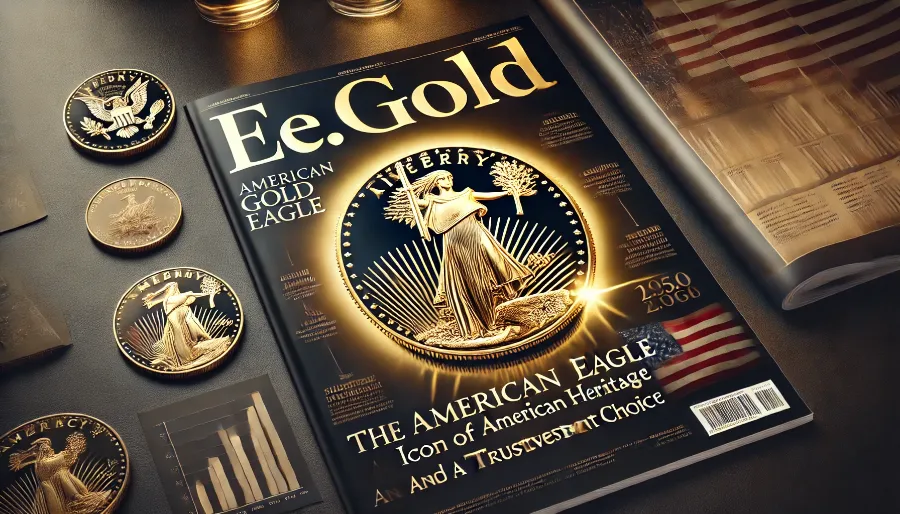
    The American Gold Eagle: An Icon of American Heritage and a Trusted Investment Choice
    (0) The American Gold Eagle: An Icon of American Heritage and a Trusted Investment Choice
    The American Gold Eagle coin is one of the most iconic and trusted gold bullion coins globally, combining American heritage with a reliable investment option. Featuring a striking design of Lady Liberty and a soaring eagle, the coin reflects core American values such as strength, liberty, and patriotism. It is available in multiple sizes to cater to diverse investor needs, including one-ounce, half-ounce, quarter-ounce, and tenth-ounce versions. The coin's gold content is 91.67% pure, offering both durability and a visually appealing gold hue. As legal tender, it is backed by the U.S. government, ensuring its authenticity and making it highly liquid in global markets.
    The Growing Value of White Gold
    (0) The Growing Value of White Gold
    The article discusses the increasing value and growing popularity of white gold. It highlights the reasons behind its demand, such as its modern aesthetic, durability, affordability compared to platinum, and versatility in various jewelry designs. The piece also explores the alloys used in white gold, including palladium and nickel, and compares it with other precious metals like yellow gold and platinum. It concludes by examining how white gold is positioned as a desirable option for both consumers seeking durable jewelry and investors looking for a valuable asset.
    Are Gold Bars Easy to Sell? A Comprehensive Guide to Maximizing Value
    (0) Are Gold Bars Easy to Sell? A Comprehensive Guide to Maximizing Value


    Selling gold bars is often perceived as straightforward, given their universal appeal and intrinsic value. However, a deeper understanding of the process, including factors that affect their liquidity, market dynamics, and preparation for sale, can help ensure that sellers secure the best price and have a seamless experience. Gold bars, also known as bullion, are one of the most sought-after investment assets, but successfully selling them requires careful consideration.

    Why Gold Bars Are a Popular Investment

    Gold bars are favored by investors for several reasons. They offer a direct way to own pure gold, which has historically been a safe haven during times of economic uncertainty. Gold bars are free from the decorative and labor costs associated with gold jewelry, making them a more cost-effective option for investors seeking pure value. Their high liquidity and universal recognition also make them attractive for those looking to store wealth in a tangible, transportable form.

    Factors Influencing the Sale of Gold Bars

    When it comes to selling gold bars, several key factors determine how easy it will be to find a buyer and secure a good price:

    1. Purity and Standardization
      The purity of a gold bar is critical in determining its value. Most investment-grade gold bars have a purity of 99.5% or higher and are typically stamped with the weight, purity, and manufacturer details. Buyers prefer gold bars from reputable refiners like PAMP, Credit Suisse, or Perth Mint because they are universally recognized and trusted.

    2. Size and Market Demand
      The size of the gold bar affects its ease of sale. Smaller bars, such as 1-ounce or 10-gram bars, are more liquid because they are affordable for a broader range of buyers. Larger bars, such as 1-kilogram bars, might offer a lower premium over the spot price but are often harder to sell quickly, as they require a buyer with significant financial capacity.

    3. Market Conditions
      The state of the gold market plays a significant role in how easy it is to sell. During times of economic or geopolitical instability, the demand for gold increases as investors seek a safe haven, making it easier to sell gold bars at a premium. Conversely, during periods of economic stability or rising interest rates, gold demand might decline, potentially reducing liquidity and pricing.

    4. Dealer Relationships and Policies
      Reputable dealers can make the process of selling gold bars significantly easier. Dealers who specialize in bullion often have established buyback policies, offering competitive prices close to the spot price. It's worth noting that premiums offered by dealers may vary, so comparing offers is crucial.

    5. Documentation and Authenticity
      Having proper documentation, such as receipts, certificates of authenticity, and even serial numbers, is vital when selling gold bars. Buyers are more likely to trust and purchase gold bars with verified origins and details.

    6. Condition of the Bar
      The physical condition of the gold bar can also impact its resale value. Bars with visible scratches, dents, or signs of wear may fetch slightly lower prices, as pristine bars are often more desirable to buyers.

    Where to Sell Gold Bars

    There are several avenues for selling gold bars, and the choice depends on factors such as convenience, pricing, and trustworthiness. Here are the most common options:

    1. Specialized Bullion Dealers
      Bullion dealers are the go-to option for most investors looking to sell gold bars. They specialize in assessing the purity and weight of bullion and often provide instant cash offers. Many dealers have established buyback programs and offer competitive rates based on current market prices. It's essential to verify the dealer's reputation by checking reviews and credentials.

    2. Banks
      Certain banks offer gold buyback services, especially if the bars were originally purchased from them. However, banks often have stringent requirements, including proof of purchase, and the process can take longer compared to selling to a bullion dealer. Banks may not always offer the most competitive prices.

    3. Jewelry Shops
      Local jewelry stores may buy gold bars, but they often focus on purchasing jewelry rather than bullion. This could result in less competitive pricing for your bars. It's advisable to check multiple jewelry shops to compare offers if you decide to take this route.

    4. Online Bullion Platforms
      With advancements in technology, many online platforms now facilitate the buying and selling of gold bars. These platforms often have established marketplaces with competitive pricing and convenient payment methods. However, sellers must ensure the platform is secure and trustworthy.

    5. Private Sales
      Selling directly to private buyers can sometimes yield higher prices, as there are no dealer fees or premiums involved. However, this approach requires caution to avoid scams or fraud. Always verify the buyer's credentials and conduct transactions in a safe environment.

    Tips for Selling Gold Bars Successfully

    Maximizing the value of your gold bars requires preparation and strategy. Here are some tips to help you make the most of your sale:

    • Monitor Market Trends: Keeping an eye on the spot price of gold can help you time your sale to achieve the highest returns. Gold prices tend to rise during economic instability, so selling during these times can be advantageous.

    • Compare Offers: Don't settle for the first offer you receive. Contact multiple dealers or buyers to ensure you get the most competitive price.

    • Understand Dealer Fees: Some dealers charge fees or take a percentage of the transaction value. Ensure you understand these costs before committing to a sale.

    • Prepare Documentation: Having receipts and certificates of authenticity on hand can streamline the selling process and build buyer confidence.

    • Evaluate Tax Implications: Depending on your jurisdiction, selling gold bars might trigger capital gains taxes. It's important to understand and prepare for any tax liabilities before completing the sale.

    Why Gold Bars Are Easy to Sell

    Gold bars remain one of the most liquid investment assets due to their universal appeal and standardized value. They are recognized and accepted worldwide, making them easier to sell compared to less standardized forms of gold, such as jewelry. Additionally, the growing popularity of gold as a hedge against inflation and economic instability ensures consistent demand, particularly during times of global uncertainty.

    However, the ease of selling gold bars can depend on factors such as size, condition, and market conditions. Smaller bars tend to attract a broader range of buyers, while larger bars may appeal to high-net-worth individuals or institutional investors.

    Conclusion

    Selling gold bars can be a straightforward process when approached with preparation and knowledge. Their universal appeal, intrinsic value, and demand make them one of the most liquid investment assets. However, factors such as size, market conditions, and buyer trust can influence the selling experience. By researching market trends, comparing buyer offers, and ensuring proper documentation, you can maximize the value of your gold bars and enjoy a smooth transaction.

    Whether you choose to sell to a bullion dealer, bank, or private buyer, taking a strategic approach will help you navigate the market effectively and achieve the best possible return on your investment. Gold bars, as a timeless and reliable asset, remain a cornerstone of wealth preservation and financial security.


    NOTE
    This Content is the copyrighted content of EE.GOLD. All rights are reserved. You are welcome to share or use our content only by including direct links to our website. Any other form of reproduction, distribution, or use without proper attribution is strictly prohibited.

    This Content is intended solely for educational purposes. The information provided does not constitute financial or investment advice.

    Please note that Digital Storage Receipt, Secure Storage Solutions, and Physical Gold Sales are the only services offered by EE.GOLD.

    We strictly adhere to government regulations and are firmly against all illegal financial or investment activities globally.

    For further inquiries, feel free to contact us through our official channels.

    Is Gold a Smart Investment? Benefits, Risks, and Key Insights for 2025
    (0) Is Gold a Smart Investment? Benefits, Risks, and Key Insights for 2025


    Gold has been considered a valuable asset and a symbol of wealth and stability for centuries. Its unique properties make it one of the most sought-after investments, offering distinct advantages, such as acting as a hedge against inflation, diversifying investment portfolios, and retaining value even during economic uncertainties. However, like any investment, it is not without its challenges, such as price volatility and the absence of income generation. A clear understanding of the benefits and risks of gold can help determine whether it is a suitable addition to your investment strategy.

    Benefits of Investing in Gold

    1. Hedge Against Inflation
      Gold has historically retained its value during periods of high inflation. When the purchasing power of currencies decreases, gold often serves as a reliable store of value, preserving wealth.

    2. Portfolio Diversification
      Gold’s price movements typically differ from those of stocks, bonds, and other traditional investments. Adding gold to your portfolio reduces overall risk by spreading exposure across uncorrelated assets.

    3. Safe-Haven Asset
      During times of economic or geopolitical uncertainty, gold is often regarded as a "safe haven." When markets become volatile, investors turn to gold as a stable and reliable asset to protect their capital.

    4. Tangible Asset
      Unlike digital assets, stocks, or bonds, gold is a physical commodity that you can hold in your hands. This tangibility provides a sense of security that other investments cannot replicate.

    5. Long-Term Value
      Throughout history, gold has maintained its reputation as a store of value. Civilizations across the globe have relied on gold as currency and a measure of wealth for thousands of years. Its durability and rarity ensure its continued demand and long-term worth.

    Risks of Investing in Gold

    1. Price Volatility
      While gold is often perceived as stable, its price can experience significant fluctuations based on market sentiment, supply and demand dynamics, and global economic conditions. This volatility can pose risks for short-term investors.

    2. No Income Generation
      Gold does not generate passive income, such as dividends or interest, like stocks or bonds. Investors rely solely on price appreciation for returns, which may not always be guaranteed.

    3. Storage and Insurance Costs
      Physical gold requires secure storage, whether in a safe at home or a bank’s vault. Additionally, insuring gold adds to the cost of owning it, reducing overall profitability.

    4. Market Risk
      Gold's performance can vary depending on market conditions. For instance, during times of strong economic growth or when interest rates are rising, gold may not perform as well as other asset classes.

    5. Liquidity Challenges
      Selling physical gold can be less straightforward than liquidating stocks or bonds. Finding a trustworthy buyer and determining the fair market value of your gold can sometimes be time-consuming.

    Current Market Trends

    In recent years, gold has seen a significant rise in demand and value. As of 2025, prices are nearing historic highs, fueled by increased purchases from central banks and economic uncertainties. Several nations, including Poland, Turkey, India, and China, have been actively increasing their gold reserves. This heightened demand is driven by a global need to stabilize currencies and diversify national reserves.

    Moreover, geopolitical tensions and shifting trade policies have underscored gold’s importance as a secure investment. Investors around the world are turning to gold as a safeguard against unpredictable global events, reinforcing its reputation as a safe-haven asset.

    Investment Options

    If you are considering investing in gold, there are various ways to do so, each with its own advantages and challenges:

    1. Physical Gold
      Purchasing gold bars, coins, or jewelry gives you direct ownership of the metal. However, this approach comes with the responsibility of secure storage and insurance. Physical gold is ideal for investors who value tangibility and control over their assets.

    2. Gold ETFs and Mutual Funds
      Exchange-Traded Funds (ETFs) and mutual funds offer a convenient way to gain exposure to gold prices without owning physical gold. These financial products are managed professionally and are highly liquid, making them an accessible option for beginner investors.

    3. Gold Mining Stocks
      Investing in companies involved in gold mining and production provides indirect exposure to gold prices. While this method can offer significant returns when gold prices rise, it also carries risks associated with the mining industry, such as operational challenges and fluctuating costs.

    4. Digital Gold and Online Platforms
      In the modern era, digital gold platforms allow investors to purchase and store gold electronically. These platforms provide flexibility and eliminate the need for physical storage, making gold investment more accessible to tech-savvy investors.

    5. Gold Futures and Options
      For experienced investors, gold futures and options offer a way to speculate on gold prices without owning the asset directly. These are high-risk investments suitable for those familiar with complex financial instruments.

    Why Gold Remains Relevant

    Gold’s enduring relevance as an investment stems from its ability to adapt to different economic scenarios. Whether it’s protecting wealth during inflationary periods, providing stability in times of geopolitical tension, or serving as a hedge against volatile markets, gold continues to play a vital role in diversified portfolios. Its unique characteristics make it a versatile asset, appealing to both conservative and speculative investors.

    Conclusion

    Gold remains a valuable asset for those seeking stability and diversification in their investment portfolios. However, before investing, it is crucial to weigh the benefits and risks, as well as evaluate your financial goals and risk tolerance. While gold can serve as a hedge against inflation and a safe haven during turbulent times, it is not without challenges, such as price volatility and storage costs.

    For those uncertain about how gold fits into their portfolio, consulting a financial advisor can provide tailored guidance. Ultimately, gold can be a worthwhile investment, but like any financial decision, it requires careful consideration and strategic planning.


    NOTE
    This Content is the copyrighted content of EE.GOLD. All rights are reserved. You are welcome to share or use our content only by including direct links to our website. Any other form of reproduction, distribution, or use without proper attribution is strictly prohibited.

    This Content is intended solely for educational purposes. The information provided does not constitute financial or investment advice.

    Please note that Digital Storage Receipt, Secure Storage Solutions, and Physical Gold Sales are the only services offered by EE.GOLD.

    We strictly adhere to government regulations and are firmly against all illegal financial or investment activities globally.

    For further inquiries, feel free to contact us through our official channels.
    How to Identify Real Gold: A Comprehensive Guide to Spotting Fake or Plated Gold
    (0) How to Identify Real Gold: A Comprehensive Guide to Spotting Fake or Plated Gold


    Determining whether your gold is genuine or merely plated can be challenging, but several methods can help you assess its authenticity. Here's an expanded guide to assist you:

    1. Inspect for Hallmarks and Markings

    Authentic gold jewelry typically bears specific stamps indicating its purity and type. Common markings include:

    • Karat Marks: Indicate the purity of the gold, such as 10K, 14K, 18K, or 24K.
    • Fineness Numbers: Represent purity in parts per thousand, like 417 (10K), 585 (14K), 750 (18K), or 999 (24K).
    • Plating Indicators: Marks such as GP (Gold Plated), GEP (Gold Electroplated), RGP (Rolled Gold Plate), HGE (Heavy Gold Electroplate), or HGP (Heavy Gold Plate) suggest the item is not solid gold.

    These stamps are usually found in inconspicuous areas, like the inside of a ring band or near a clasp. However, absence of a hallmark doesn't necessarily mean the piece isn't gold, as older or handcrafted items might lack markings.

    2. Examine for Discoloration and Wear

    Gold is resistant to tarnishing and corrosion. To check:

    • Surface Inspection: Look for areas where the gold layer might have worn off, revealing a different metal beneath.
    • Color Consistency: Authentic gold maintains a uniform color. Variations or spots may indicate plating.

    3. Perform a Magnet Test

    Gold is non-magnetic. To test:

    • Use a Strong Magnet: Bring it close to the piece. If it's attracted, the item contains other metals and isn't pure gold.

    4. Conduct a Density Test

    Gold's density is approximately 19.3 grams per cubic centimeter. To measure:

    • Weigh the Item: Use a precise scale to find its weight in grams.
    • Measure Water Displacement: Fill a graduated cylinder with water, note the volume, then submerge the gold item and record the new volume.
    • Calculate Density: Divide the item's weight by the volume of water displaced. A result close to 19.3 suggests the item is genuine gold.

    5. Apply the Ceramic Scratch Test

    This method can indicate authenticity but may damage the item.

    • Use Unglazed Ceramic: Gently drag the piece across the surface. A gold streak indicates real gold; a black streak suggests otherwise.

    6. Perform an Acid Test

    This test should be conducted with caution or by a professional, as it involves hazardous chemicals.

    • Scratch the Surface: Make a small, inconspicuous scratch on the item.
    • Apply Nitric Acid: Place a drop on the scratch. Real gold remains unaffected; other metals may react, changing color or dissolving.

    7. Observe Skin Reactions

    Wearing fake gold can sometimes cause skin discoloration.

    • Wear the Jewelry: After prolonged contact, check for green or black marks on your skin, which can result from reactions with metals like copper or nickel.

    8. Seek Professional Appraisal

    For definitive results:

    • Consult a Jeweler: Professionals can perform advanced tests and provide accurate assessments of your item's authenticity and value.

    Remember, while these methods can offer insights, they may not be conclusive. For valuable items, it's advisable to seek professional evaluation to ensure accuracy.


    NOTE
    This Content is the copyrighted content of EE.GOLD. All rights are reserved. You are welcome to share or use our content only by including direct links to our website. Any other form of reproduction, distribution, or use without proper attribution is strictly prohibited.

    This Content is intended solely for educational purposes. The information provided does not constitute financial or investment advice.

    Please note that Digital Storage Receipt, Secure Storage Solutions, and Physical Gold Sales are the only services offered by EE.GOLD.

    We strictly adhere to government regulations and are firmly against all illegal financial or investment activities globally.

    For further inquiries, feel free to contact us through our official channels.

    Where to Buy Gold in 2025: Trusted Places for Secure Investments
    (0) Where to Buy Gold in 2025: Trusted Places for Secure Investments
    Gold has remained a symbol of wealth and stability for centuries, making it a favorite among investors and collectors. In 2025, the demand for gold continues to soar as people seek secure ways to protect their wealth against inflation and market volatility. But finding the best places to buy gold is crucial to ensure you’re getting genuine, high-quality products.
    Silver Marvel Coins: A 2025 Guide for Collectors and Investors
    (0) Silver Marvel Coins: A 2025 Guide for Collectors and Investors
    Silver Marvel Coins are a treasure trove for comic book fans and precious metal enthusiasts alike. These coins, inspired by Marvel’s iconic superheroes, combine intricate designs with the tangible value of gold and silver, making them a unique blend of collectible artistry and financial investment. As the popularity of Marvel franchises continues to soar in 2025, these coins are becoming a must-have for collectors and investors.